


This website uses cookies to improve your experience. We'll assume you're ok with this, but you can opt-out if you wish. Read More

December 16, 2025

Discover how coffee can be good for you if you obey a few simple rules.
There’s good news for coffee lovers, it may actually be good for you as long as you obey a few rules.
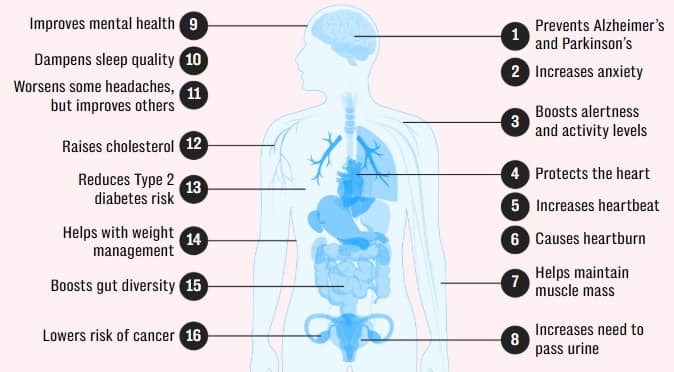
For years, coffee was viewed with suspicion, blamed for jitters, poor sleep and raised blood pressure. But a growing body of research now suggests the opposite: far from being a guilty pleasure, coffee can be a genuine contributor to good health. In fact, it is the largest source of antioxidants in the US diet, delivering a rich supply of polyphenols – plant compounds linked to reduced inflammation and a lower risk of conditions such as heart disease, type 2 diabetes and certain cancers. Moderate caffeine intake has also been associated with a reduced risk of Alzheimer’s and dementia, although research in this area is still ongoing.
Professor Tim Spector, epidemiologist and co-founder of the nutrition science company Zoe, is firmly in the pro-coffee camp. For most people, he says, coffee is beneficial largely because of its impact on the gut. Polyphenols help nourish gut microbes, supporting a diverse microbiome that is closely linked to better metabolic health and reduced disease risk. Coffee also contains more fibre than many people realise – about 1.5g per cup – meaning that three daily cups can make a meaningful contribution to fibre intake.
1. Add a dash of milk
How you drink your coffee, however, matters. Adding a small splash of milk is unlikely to undo its benefits and may even enhance them: research suggests milk proteins can amplify the anti-inflammatory effects of coffee’s polyphenols. That said, milk-heavy drinks such as lattes can quickly add up, especially when consumed several times a day, and some plant milks contain additives that may negate coffee’s positive effects.
2. Avoid the cafetière
The brewing method is also important. French press coffee contains oily compounds that can raise LDL (“bad”) cholesterol, while filtered coffee removes these substances. Instant coffee, often dismissed as inferior, may actually be a reasonable option: although it can contain fewer polyphenols, it is typically lower in caffeine and higher in fibre, and it avoids cholesterol-raising compounds.
3. Keep it simple
Simplicity is key. Coffee delivers the most benefit when it remains coffee, rather than a sugar-laden dessert. Syrups, sweetened milks and whipped cream can cause blood sugar spikes and counteract the very health advantages that make coffee appealing. Likewise, an expensive artisanal roast may taste wonderful, but it is not necessarily healthier than a cheaper supermarket blend. While organic beans may reduce exposure to pesticides and mould, price alone is no guarantee of added health benefits.
4. Choose a lighter roast
Those looking to optimise their cup should also consider roast level. Lighter roasts generally retain more polyphenols, including chlorogenic acids that feed beneficial gut bacteria, while darker roasts lose some of these compounds during extended roasting. Adding cinnamon or cocoa can provide natural sweetness along with an extra boost of antioxidants, making them a far healthier alternative to sugar.
5. Drink it in the morning
Timing matters too. Most experts advise drinking coffee in the morning, when it aligns better with natural circadian rhythms and is less likely to interfere with sleep. One recent study found that people who drink coffee before noon have a lower risk of death over the following decade than those who do not drink coffee at all, while all-day coffee drinkers did not see the same benefit.
6. Use your own cup
Finally, there’s the cup itself. Disposable takeaway cups are often lined with plastic, which may leach microplastics into hot drinks. While the long-term effects are still being studied, using a reusable cup is a simple precaution that may benefit both personal health and the environment.
Taken together, the message is reassuringly simple: enjoyed in moderation, kept relatively plain and drunk earlier in the day, coffee can be a small but meaningful part of a healthy diet.
What coffee does to your body
Discover which Teas are Healthy for You
You need to sign up or be logged in to leave a comment.